Avoid fines: Heston trade waste compliance for small businesses
If you run a small business in Heston, trade waste is one of those jobs that can quietly turn into a problem if you leave it too long. The bags build up, the back room gets cramped, and before you know it you're wondering whether that black sack by the bin is actually a business waste issue. Truth be told, that's where a lot of avoidable fines start.
This guide explains Avoid fines: Heston trade waste compliance for small businesses in plain English. You'll learn what counts as trade waste, why compliance matters, how to stay on the right side of local rules, and what to do if your business needs a simple, reliable clearance routine. We'll keep it practical, because nobody needs another vague compliance article that sounds like it was written in a boardroom at 8am.
For businesses that want a hands-off approach, using a compliant business waste removal service can take a lot of pressure off day to day operations. And if your waste is mixed with general rubbish, old stock, or bulky items, a broader waste removal service may be the cleaner fix.
Table of Contents
- Why compliance matters in Heston
- How trade waste compliance works
- Key benefits and practical advantages
- Who this is for and when it makes sense
- Step-by-step guidance
- Expert tips for better results
- Common mistakes to avoid
- Tools, resources and recommendations
- Law, compliance, standards, or best practice
- Options, methods, or comparison table
- Case study or real-world example
- Practical checklist
- Conclusion
- Frequently asked questions
Why Avoid fines: Heston trade waste compliance for small businesses Matters
Trade waste compliance matters because waste from a business is treated differently from household rubbish. That sounds obvious, but in real life it's easy to blur the line. A cafe bin at closing time, a shop's packaging pile, a builder's offcuts, a salon's disposable items, or an office's old chairs all create different risks. If the waste is produced by your business, it usually needs to be handled as trade waste.
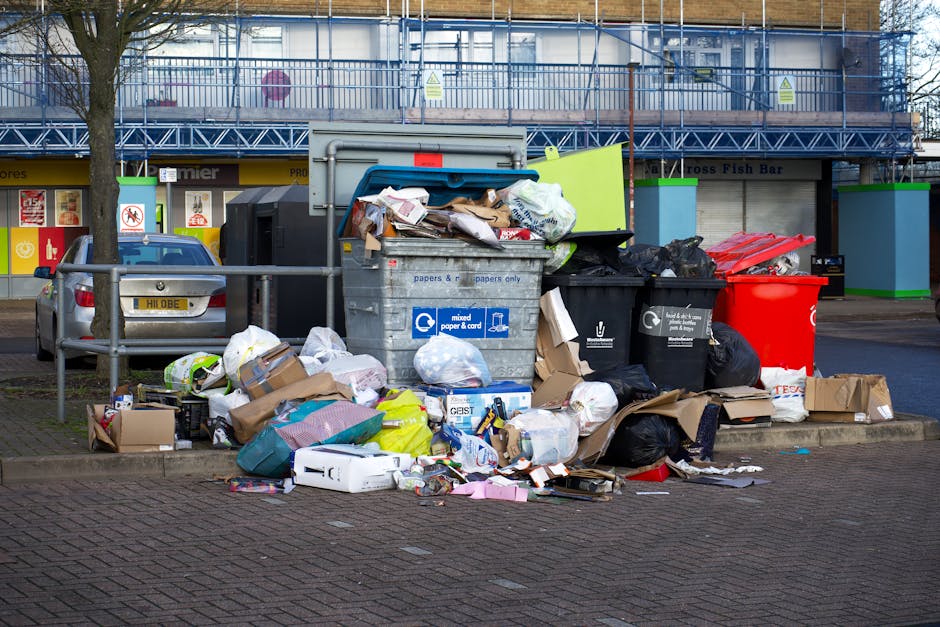
For small businesses, the risk is not just the fine itself. It's the interruption. A missed collection can lead to overflow, odour, pest issues, customer complaints, and a pretty grim first impression. If the back door of a shop or the service yard of a workspace starts looking like a mini landfill, that affects the whole operation. Not ideal. Not even close.
In Heston, where many businesses operate in tight spaces, shared access areas, or busy streets, poor waste handling can become visible very quickly. One overfilled bin can turn into a neighbour dispute, a blocked loading bay, or an awkward conversation with a landlord. A lot of compliance is really about staying organised before the mess becomes public.
Expert summary: good trade waste compliance is less about complicated paperwork and more about simple habits done consistently: sort waste properly, store it safely, and use a legitimate collection route that fits your business.
How Avoid fines: Heston trade waste compliance for small businesses Works
At a practical level, trade waste compliance is about three things: identifying what waste your business creates, making sure it is stored and moved safely, and arranging collection or disposal through a suitable service. That can be handled in-house, but for most small businesses it becomes far easier with a professional provider.
Here's the simple version. Your business generates waste. That waste should be separated if needed, kept secure, and collected by someone who can manage it properly. If the waste includes bulky items, office furniture, packaging, or mixed rubbish, it may need additional planning. A one-off clearance may suit some businesses better than a routine collection.
If your business has old desks, broken shelving, or surplus stock, an office clearance can be a good fit. For worksites or property fit-outs, builders waste clearance may be more appropriate. The right route depends on the waste stream, the volume, and how quickly you need the space cleared.
Small businesses usually run into trouble when they treat every unwanted item the same. Paper and cardboard are not the same as food waste. A chair with broken metal parts is not the same as a bundle of flattened packaging. Once you start separating these properly, the whole process becomes easier and, frankly, less annoying.
Key Benefits and Practical Advantages
Staying compliant is not just about avoiding a penalty. It also helps you run a cleaner, calmer business. That matters more than people admit, especially when the day is already full of calls, deliveries, customers, and that one printer that only jams when you're busy.
- Lower enforcement risk: Proper storage and collection reduce the chance of fly-tipping allegations or waste-related penalties.
- Cleaner premises: Less clutter means safer walkways, better hygiene, and a more professional appearance.
- Better time management: When waste is handled on a schedule, staff spend less time improvising.
- Improved staff safety: Heavy bags, loose cardboard, and sharp debris become less of a hazard.
- Stronger customer trust: People notice tidy premises, even if they don't say it out loud.
- More efficient operations: A proper system prevents waste from taking over valuable storage space.
There's also a quiet financial benefit. If waste is sorted correctly, you're less likely to pay for unnecessary extra removals, emergency clearances, or a bigger skip than you actually need. Small efficiencies add up. They always do.
Who This Is For and When It Makes Sense
This topic is especially relevant for small businesses in Heston that produce regular waste but don't have a dedicated facilities team. That includes corner shops, cafes, takeaways, salons, tradespeople, small offices, landlords, and local service businesses. If you've got more than occasional household-style rubbish, you're probably already in trade waste territory.
It also makes sense for businesses dealing with seasonal change. Maybe you're clearing out stock after a busy period, refreshing the office, or disposing of old furniture before a refit. In those moments, the usual bin routine is rarely enough. A bit of planning helps more than people expect.
Some businesses need one-off support rather than ongoing collections. For example, a landlord clearing a property between tenancies might need help with mixed items and furniture. In that case, a service such as house clearance or flat clearance may be more practical than a standard bin arrangement. Similarly, if you're removing unwanted chairs, shelving, or reception furniture, furniture disposal can be the cleaner route.
Step-by-Step Guidance
If you want to reduce the risk of fines and keep things straightforward, follow a simple process. Nothing fancy. Just a method that actually works on a Wednesday afternoon when everything is busy.
- Identify your waste types. Separate general waste, recyclable materials, food waste, bulky items, and anything that may need special handling.
- Estimate volume and frequency. Daily cafe waste is not the same as weekly office waste. Match the collection method to the real amount you produce.
- Choose a storage spot. Keep waste in a secure, accessible place where it won't block entrances or create a mess.
- Use a compliant collection route. Make sure the provider is suitable for business waste and clear about what they take.
- Keep records. Retain collection details, invoices, and any transfer information you receive. It helps if anything is questioned later.
- Train staff. Everyone should know what goes where. One confused bin ritual can undo a whole system.
- Review regularly. If your waste volume changes, update the plan. Businesses evolve. Waste does too.
A realistic example: a small salon in Heston might start with just a bin and a recycling box. Then a refurb arrives, with broken mirrors, packaging, old chairs, and display units. Suddenly the usual setup falls apart. That's the moment to switch from routine disposal to a proper clearance plan.
Expert Tips for Better Results
In our experience, the businesses that stay out of trouble tend to do a few unglamorous things well. Not glamorous, but effective. And that's what counts.
1. Set waste rules in writing. Even a short staff note helps. Label bins clearly. Explain what goes in each one. It sounds basic, but basic is often where compliance is won.
2. Keep contamination low. If recycling bins are full of food, tape, or mixed rubbish, the whole system becomes less reliable. One wrong item can spoil an otherwise good load.
3. Don't leave bulky items "for later". Later has a habit of becoming never. Old office chairs, broken desks, and packaging stacks can quietly eat up space.
4. Match service type to job size. A one-off clearance is usually better for a refit or stock clean-out. Ongoing trade waste collection is better for steady everyday output.
5. Check access before collection day. Narrow alleys, shared car parks, basement storage, and loading restrictions can all cause delays. A five-minute check saves a lot of faff.
6. Keep an eye on sustainability. Recycling and reuse can reduce what ends up as residual waste. For businesses that care about environmental performance, the recycling and sustainability approach can support both compliance and better waste outcomes.
One small but useful habit: photograph the cleared area before and after big jobs. Not for vanity. Just for records, and to make future planning easier. You'll thank yourself later, probably on a rainy Monday when you're trying to remember what happened to that stack of pallets.
Common Mistakes to Avoid
A lot of fines and compliance headaches come from the same handful of mistakes. The good news is they're avoidable once you know what to watch for.
- Using household bins for business waste: This is one of the easiest ways to create avoidable problems. If the waste came from business activity, treat it as trade waste.
- Mixing too many waste types together: Mixed loads are harder to manage, and sometimes more expensive to clear.
- Leaving waste unsecured: Open bags, broken boxes, and loose items attract mess, weather damage, and complaints.
- Ignoring bulky items: Furniture, fixtures, and equipment often need a separate plan.
- Failing to keep evidence: If a problem is ever questioned, you want a paper trail.
- Waiting until the place is overflowing: By then you're reacting, not managing.
There's also the classic mistake of assuming "it'll be fine for now." Sometimes it is. Often it isn't. Waste has a way of becoming everybody's problem at once.
Tools, Resources and Recommendations
You do not need fancy software to manage trade waste well. Most small businesses only need a few dependable systems and a bit of discipline.
| Need | Useful approach | Best for |
|---|---|---|
| Routine business waste | Scheduled collections with clear bin separation | Shops, offices, cafes, salons |
| One-off clear-out | Single bulk removal or clearance visit | Refits, moves, stock changes |
| Mixed items and furniture | Dedicated furniture or office clearance support | Workspaces, landlords, serviced premises |
| Heavy or awkward debris | Specialist waste removal with access planning | Trades, maintenance jobs, small refurbishments |
For businesses working from compact premises, planning matters even more. If storage is tight, a clearance visit can be simpler than trying to squeeze everything into an already crowded collection area. That's particularly true for offices with surplus desks or storage units, where an office clearance can reset the space in one go.
For premises that double as storage, back rooms, garages, or small depots, it may help to look at broader services too, such as garage clearance or loft clearance, especially where old stock or forgotten materials have built up over time. It's not always the obvious route, but it can be the sensible one.
Law, Compliance, Standards, or Best Practice
When people talk about trade waste compliance, they are usually referring to the legal and operational duties that apply when a business produces waste. The exact rules can vary depending on the type of waste, the premises, and how the waste is handled. So the safest approach is to follow current local expectations and established UK waste management best practice rather than guessing.
As a general rule, businesses should:
- keep trade waste separate from household waste where appropriate;
- store waste safely and prevent littering or escape;
- use a legitimate collection or disposal route;
- avoid fly-tipping or leaving waste in unauthorised places;
- retain records of collection or removal where provided;
- choose services that fit the waste type, including bulky or hazardous items where relevant.
If you run a small business, the safest mindset is simple: don't assume an item is "just rubbish" if it came from your business. When in doubt, treat it as business waste and manage it accordingly. That approach is usually the least stressful, and often the cheapest in the long run because you avoid mistakes.
It's also worth noting that good providers should be clear about what they collect, how they handle disposal, and what happens to reusable or recyclable materials. That transparency matters. If a service is vague, that's a warning sign. You don't want grey areas with waste. Not really.
Options, Methods, or Comparison Table
Small businesses in Heston usually have three broad options for managing trade waste. The right choice depends on your volume, space, and how regular the waste is.
| Method | Best for | Pros | Watch-outs |
|---|---|---|---|
| Regular trade waste collection | Ongoing business waste | Predictable, tidy, routine | Can be less flexible for one-off surges |
| One-off clearance | Bulk jobs, refits, stock changes | Fast reset, removes larger items | Not designed for daily waste output |
| Mixed waste removal | Multiple waste types in one job | Convenient, useful when space is tight | Needs careful sorting and clear instructions |
If your business is mostly steady, routine collections tend to be the simplest. If you're clearing old furniture, moving premises, or reopening after works, a one-off removal is often the better call. And if you're dealing with a jumble of packaging, broken fittings, and old fixtures, mixed waste clearance can be the most practical option.
Case Study or Real-World Example
Here's a realistic example based on the kind of situation many small businesses face. A small consultancy in Heston was downsizing from a two-room office to a compact shared workspace. At first, the team thought they could just "take a few bits home" and leave the rest for the weekly bin. Then the pile grew: two desks, a filing cabinet, broken chairs, some boxed equipment, and a surprising number of cables. Those cables always multiply, don't they?
The problem was not just the amount of waste. It was access. The old office had a narrow rear exit, a shared service area, and limited parking. Leaving items out for longer would have created a nuisance for neighbours and a risk for staff. So the business arranged a planned clearance, separated reusable items, and cleared the office in one organised visit.
The result was simple: less disruption, a cleaner handover, and no messy scramble on moving day. They also documented what was removed, which made their records easier to manage. Not dramatic. Just properly done. And that, honestly, is the whole point.
Practical Checklist
Use this checklist before your next collection or clearance.
- Have you identified whether the waste is trade waste, bulky waste, or mixed waste?
- Are bins and storage areas clearly labelled?
- Is waste kept away from public access points and fire exits?
- Do you know which items need separate handling?
- Have you booked a service that fits the volume and type of waste?
- Do staff know what can and cannot go into each container?
- Have you kept any collection records or invoices?
- Is the pickup area accessible on the day?
- Have you planned for unusual items like furniture, fixtures, or heavy debris?
- Do you have a review point if your waste output changes?
Practical takeaway: if your current system depends on everyone "remembering" what to do, it probably needs tightening up.
Conclusion
Keeping trade waste compliant in Heston does not need to be complicated. The key is consistency: know what you're throwing away, keep it secure, separate it sensibly, and use the right collection method for the job. That alone will prevent most of the problems small businesses run into.
For many local companies, the real win is peace of mind. You walk in the next morning and the back area is clear, the bins are under control, and you're not wondering whether someone's going to complain about the mess outside. Small thing? Maybe. But small things keep businesses running smoothly.
If you are reviewing your current setup, it may help to look at how your wider premises are managed too. Some businesses benefit from broader support such as about us information to understand the provider's approach, or checking pricing and quotes before deciding on the best route. If you want to understand service standards, the company's health and safety policy and insurance and safety pages can also offer useful reassurance.
Get a free quote today and see how much you can save.
Frequently Asked Questions
What counts as trade waste for a small business in Heston?
Trade waste is any waste produced because of your business activities. That can include packaging, paper, food waste, broken furniture, old stock, fixtures, and general rubbish from daily operations.
Do I need a separate system for business waste?
In most cases, yes. Business waste should be managed differently from household waste. Even if the items look ordinary, the source of the waste matters.
Can I just use my home bin for a small business?
That is usually not the right approach. If the waste comes from your business, it should be treated as trade waste and handled through an appropriate route.
What happens if I put the wrong waste in the wrong bin?
You can end up with contamination, extra costs, missed collections, or complaints. In some cases, poor handling can also create compliance problems if waste is dumped or stored badly.
How often should a small business arrange waste collection?
That depends on how much waste you produce. A busy cafe may need regular collections, while a small office may need less frequent service. The right schedule is the one that keeps the premises tidy without waste building up.
Is a one-off clearance better than regular collections?
Not always. A one-off clearance is ideal for bulky jobs, refits, and tidy-outs. Regular collections are better for day-to-day business waste. Many businesses actually need both at different times.
What should I do with old office furniture?
Old desks, chairs, cabinets, and similar items often need a dedicated clearance or disposal service. If the furniture is part of a larger workspace clean-out, an office-focused clearance can be the simplest option.
How do I reduce the risk of fines?
Keep waste separated, stored safely, collected on time, and properly documented. The real secret is not leaving waste to "sort itself out" later, because it never does.
Do I need records for waste collections?
Yes, where provided. Keeping invoices, job details, and any collection paperwork helps show that your business is taking waste management seriously.
Can trade waste include bulky items like shelving or display units?
Yes, if they were used in the business. Items like shelving, display stands, and counters often need planned removal rather than a standard bin collection.
What if my business is closing or moving premises?
That is a good time to review all waste streams and arrange a proper clearance. Move-outs tend to reveal hidden clutter, and leaving it to the last day can make everything more stressful than it needs to be.
How do I know which service is right for my business?
Start with the type of waste, the amount, and how quickly it needs removing. If you have routine rubbish, business waste removal may suit. If you have bulky items or a large clean-out, a broader clearance service may be better.
For businesses wanting to avoid hassle and keep the place looking sharp, it often helps to read the service details carefully, check the company's terms and conditions, and make sure the service matches the real job in front of you. A little checking now saves a lot of grief later.