Office clearance in Heston

Office clearance in Heston means clearing workspaces in a way that is organised, careful and suited to the building, the contents and the timetable you are working to. Our service covers the removal of desks, chairs, filing, shelving, meeting-room furniture, IT peripherals and general office items, with an emphasis on keeping the process straightforward for businesses, landlords and managing agents. The aim is to leave the space ready for its next use while handling the clearance in a tidy, methodical way.
We plan each job around the layout of the premises and the type of items present, because an open-plan office, a multi-room suite and a storage-heavy back office often need different approaches. Where there are mixed contents, we separate reusable items, recyclable materials and general waste where this is practical and supported by the site conditions. Clear access, sensible sorting and careful lifting all matter when a workplace needs to be cleared without unnecessary disruption.
For a simple request, it helps to outline the size of the office and the main items to be removed. That gives a clearer picture of the work involved and helps the quotation process move more smoothly. If you already know which rooms, cupboards or storage areas are included, you can mention that as well. A concise description is usually enough to begin the conversation, and you can add more detail later if needed.
What our office clearance covers
Our office clearance work is built around the practical items found in commercial premises, from individual workstations to larger shared areas. Desks, task chairs, visitor seating, pedestals, cupboards, partition panels and general office furnishings are typical examples. We also handle non-sensitive loose contents such as stationery, archive boxes, redundant display items and other items that no longer need to remain on site. The work is organised so the removal is controlled rather than rushed.
Where there are items that need particular care, such as monitors, printers, small appliances or IT accessories, the clearance can be arranged so that those are handled separately from ordinary furniture. This is especially useful when a workplace is being updated, downsized or prepared for handover. If you are comparing options, waste removal can be relevant where you need a broader service across mixed unwanted items rather than a furniture-only task.
Some offices also include storage rooms, server-adjacent spaces or back-office cupboards that have accumulated a wide range of items over time. In those situations, the clearance is often as much about sorting as it is about lifting and loading. We work through the contents in a practical order so that the main furniture, the smaller loose items and the obvious waste streams are dealt with sensibly. That keeps the process readable for anyone responsible for the premises.
Furniture, fixtures and workspace items

Furniture is often the largest part of an office clearance, so it is usually worth dealing with it in a planned sequence. Desks and conference tables can take up significant floor space, while cupboards, low storage units and shelves may need to be removed before the room can be fully accessed. Our approach is to work through the larger pieces first and then clear the smaller items that remain behind them. That is often the cleanest way to restore useable space.
If the office contains mixed furniture types, we can separate items where that is useful for onward handling. For example, reception seating, break-room furniture and standard office chairs may each be grouped differently depending on condition and material type. If the project is mainly about furniture rather than a broader commercial clearance, the page on furniture clearance gives a more specific view of that service. For items that have reached the end of their use, furniture disposal is also relevant.
Fixtures and built-in items can require extra attention, particularly where they are attached to walls, fitted around cable routes or positioned in tight work areas. Our service is focused on removal tasks that are appropriate to a clearance rather than alteration or refurbishment, so it is best suited to premises that need contents removed and spaces emptied. When there are bulky items in lofts, garages or storage corners as well as office rooms, the sequence of work may need to be adjusted to suit access and safe movement.
Clearance for vacant, occupied and changing premises
Office clearance is not only for empty buildings. It is also useful when a premises is still partly in use and certain rooms, departments or floors need to be cleared while other areas remain active. That may involve removing surplus desks from one section, taking away damaged chairs, clearing archive storage or emptying a room that is being repurposed. The work can be shaped around the layout of the site rather than treated as a single all-or-nothing job.
In changing workplaces, the order of removal matters. Items needed for daily operations may stay in place while surplus materials are dealt with first, and access routes may need to remain open for staff movement. If the building is being returned to a landlord or prepared for a new tenant, the clearance can be planned around what must be left behind and what should be removed. Where whole-property work is needed, home clearance and house clearance show how larger clear-outs are handled in domestic settings.
That comparison is useful because it shows how clearance work changes according to scale and occupancy. An office often has more uniform furniture than a home, but it may also have more cables, paper storage and equipment to sort. The best approach is usually the one that respects the site’s current use, avoids unnecessary disturbance and focuses on the items actually due to go. Occupation status, access and item mix are the key factors that shape the method.
Planning the work before removal
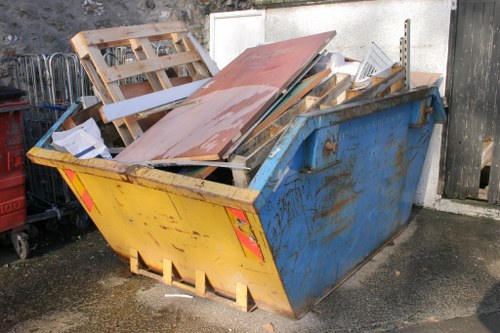
Good planning keeps an office clearance efficient and helps the work run in a steady order. A brief list of the main rooms or storage areas is helpful, along with any items that are especially heavy, bulky or awkward to move. If there are lifts, stairs, narrow corridors or restricted loading points, those details are useful too. You do not need a long explanation; a clear summary is usually enough to begin a sensible quotation process.
Photographs can also help when the workspace has a lot of mixed contents or when the office is laid out over several rooms. They are particularly useful for showing the type of furniture involved, the density of storage and any access restrictions that may affect the clearance. If you are gathering details for more than one type of work, you can mention that the site also includes storage or garden areas, but the office contents should be described first so the quotation is accurate and relevant.
For larger or more complex premises, it is often helpful to note whether items need to be removed from a single room, an entire floor or the full building. That information affects the sequence of work and the time needed on site. If you want to compare service options while preparing your enquiry, pricing and quotes is a useful place to review the general approach before you ask for a specific figure.
Commercial waste, mixed contents and responsible sorting
Office spaces often contain more than furniture. Paper files, cardboard packaging, obsolete promotional materials, broken accessories and general miscellaneous waste can build up quickly, especially in back rooms and storage cupboards. A clearance service needs to treat those contents in a practical way rather than assume everything falls into one category. By separating obvious streams where appropriate, the work becomes easier to manage and the remaining space is easier to hand over.
Mixed-content clearances are common where a company is relocating, reducing floor space or shutting down a section of the business. In those cases, the service may include both office furniture and general business waste, with careful handling of what should stay, what should go and what needs extra attention. If you need a service shaped around wider commercial premises, business waste removal is a relevant page to review alongside this one.
Sorting is not simply a matter of speed; it also helps keep the job orderly. Materials may be grouped by type so that the clearance does not become a single unstructured load. That makes it easier to deal with items from filing rooms, stationery stores and shared work areas without losing track of what has already been removed. Careful sorting is particularly helpful when a workplace contains a mix of older furniture and lighter everyday waste.
Garage, loft and storage areas linked to office premises
Some businesses keep overflow stock, archived files or old furniture in garages, lofts or secondary storage rooms rather than in the main office. These areas often need their own clearing plan because access, lighting and the type of items stored there can differ from the front-of-house workspace. When these spaces are part of the same premises, they can be included within the clearance so the whole site is dealt with in a joined-up way.
Where storage areas are heavily used, the clearance may involve shifting items in stages so that the contents can be examined and sorted safely. That is particularly useful when boxes have been stacked for a long time or when furniture has been stored alongside archives and spare equipment. For related services in other parts of a property, garage clearance and loft clearance may help if those spaces are being cleared separately from the main office.
This kind of work often benefits from a practical order: loose items first, then lighter contents, then larger or more awkward pieces. It reduces clutter as the job progresses and makes the remaining access clearer. If the premises also has an outdoor holding area or workshop-style storage, the same principle applies. The task is to keep the site manageable while removing the items that no longer need to remain there.
Recycling, reuse and disposal decisions
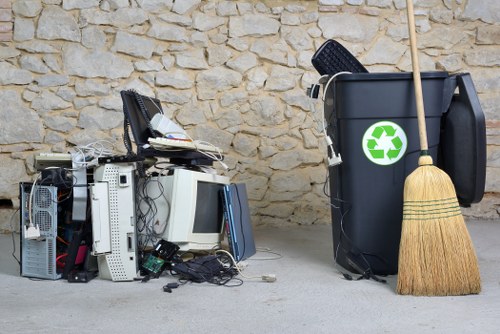
Many office clearances involve items that are no longer wanted but are still in different conditions. Some pieces may be suitable for reuse, while others are only fit for disposal. The decision depends on the item, its condition and the practical options available at the time of the clearance. That is why it helps to view the job as a structured removal process rather than a simple emptying exercise. Different contents often require different handling.
Where desks, storage units or chairs remain in sound condition, they may be separated from damaged or worn pieces that need a different route. Paper, cardboard and other light materials can often be kept distinct from bulkier objects so the overall clearance stays more organised. If sustainability is part of your decision-making, recycling and sustainability explains the general approach to responsible handling of collected materials.
The practical benefit of this approach is that the space is cleared in a way that reflects the actual contents rather than forcing everything into one category. Offices frequently contain a blend of old and current items, and not all of them are useful in the same way. A sensible clearance recognises that difference and treats each group with the appropriate level of care. Condition, material and quantity all influence the method used.
Health, security and building access
Clearance work in offices also depends on the building environment. Shared entrances, reception areas, controlled doors, managed access systems and internal movement routes all influence how the job is carried out. When the clearance is arranged for a working premises, it is best to keep the route open and predictable so the rest of the building can continue to function as needed. The service should fit the site, not overwhelm it.
Because offices often contain documents, devices and mixed equipment, security awareness is part of the process even when the main task is physical removal. Items can include archived paperwork, locked cabinets, desktop accessories and other contents that may need careful separation before they are taken away. For broader reassurance about how the business handles those operational matters, insurance and safety is the relevant page to review.
It can also help to decide in advance which areas are included and which rooms are off limits, especially if there are shared facilities or neighbouring occupiers nearby. A clearance that respects boundaries is less likely to create confusion. If you are preparing to hand back a tenancy or reconfigure a workplace, that clarity matters as much as the physical removal itself. It keeps the work focused and easier to coordinate.
About Heston
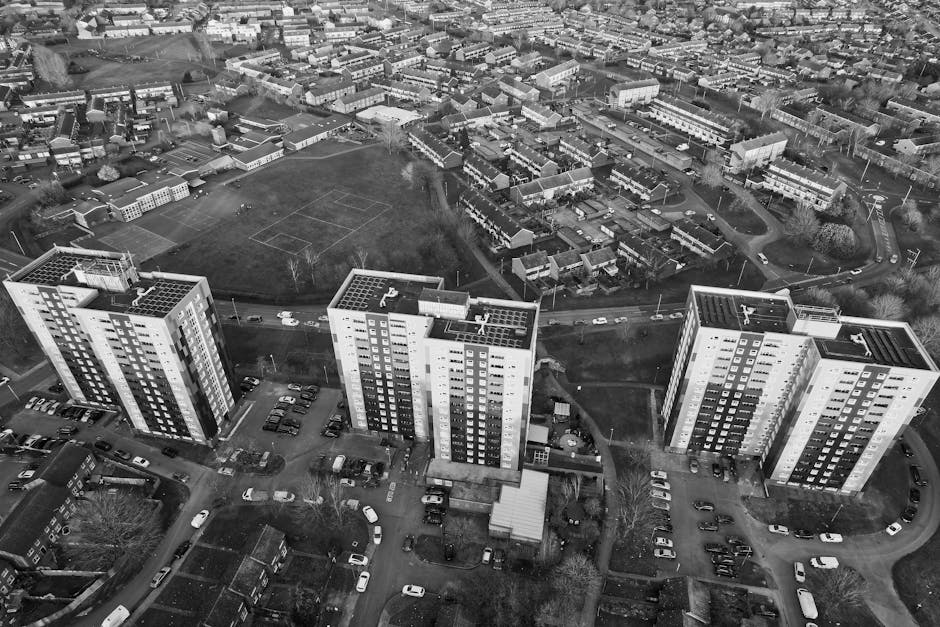
Heston is a district in the London Borough of Hounslow, in west London, positioned between Hounslow, Osterley and Cranford. Its history is long and layered: the place appears in medieval records, and for many centuries it developed as a rural settlement on the road west from London before becoming more closely tied to suburban expansion. The area is now known for a mix of housing, local shopping parades, schools, open spaces and transport corridors that connect it with nearby parts of west London and beyond. Bath Road and the surrounding routes remain important structural features, reflecting the district’s role as part of a wider movement corridor. Heston’s older core still retains a sense of place through parish history and surviving fragments of earlier development, while later growth has brought post-war estates, infill housing and more modern commercial strips. Green spaces such as Heston Park contribute to the local landscape, and the district’s position near the River Crane and the wider west London parkland network links it to a broader ecological and recreational setting. The architecture is varied rather than uniform: there are interwar houses, later estates, older public buildings and the everyday commercial structures typical of a busy suburban area. That combination of historic continuity and practical urban change gives Heston a character that is both residential and connected, with a local identity shaped by movement, community use and the steady adaptation of land and buildings over time.
Choosing the right office clearance approach
Different offices need different methods, and it is worth thinking about the shape of the job before you ask for a quotation. A lightly furnished suite is not the same as a storage-heavy premises, and a single-floor office is not the same as a larger site with several rooms and shared areas. The clearer the description of what is present, the easier it is to match the work to the right level of service.
Where the clearance includes archive material, excess storage, redundant furniture and general workplace waste, the job may be best approached as a mixed-content removal. Where the main issue is simply replacing old furniture, the task can be narrower and more focused. If you need a broad service for a property that includes a non-office area, builders waste clearance may also be worth considering when the contents include renovation debris rather than normal office items.
It is also sensible to think about the end point. Some customers want a room emptied for refurbishment, others need the whole premises cleared for exit, and some only need one part of the site made ready for immediate use. Those different aims affect how the job is organised. A practical plan starts with the contents, then the access, then the intended outcome. That order keeps the service focused and helps ensure the clearance suits the premises properly.
Requesting a quotation for office clearance
When you are ready to enquire, the most useful details are the premises type, the rooms involved, the main items to be removed and any access points that may affect loading. If there are stairs, lifts, loading restrictions or shared entrances, mention those as well. A short description of the current situation is enough to start a quotation, and it is better to give a clear summary than a long narrative that leaves the key facts buried.
If you already have a rough inventory, that can be included too, but it is not essential for the first step. The most important thing is to explain what needs clearing and whether the work is focused on furniture, storage, mixed waste or a fuller office emptying. You can also note any items that should stay on site. Specificity at the start helps keep the quotation relevant and reduces back-and-forth later.
To begin, send the basic details and ask for a quote; if you prefer to read more first, the contact-us page is the best place to make the next move. For a final reminder, keep your note short: tell us what needs clearing, where it is and when you would like it handled. That is usually enough to get the process moving in the right direction.