Cranford Estate TW5: Flats Rubbish Clearance Heston
If you live in or manage a flat around Cranford Estate TW5, rubbish can build up faster than most people expect. One bulky chair, a broken wardrobe, a few bags from a sort-out, and suddenly the hallway feels tighter, the lift is harder to use, and the job starts to look bigger than it really is. That is where a structured flats rubbish clearance service in Heston becomes genuinely useful.
This guide explains how Cranford Estate TW5: flats rubbish clearance in Heston typically works, what to expect, how to plan it well, and how to avoid the common mistakes that make clearance slower, costlier, or more stressful. It also covers practical choices for furniture, mixed waste, and flat-based clear-outs, so you can make a sensible decision without guesswork.
For broader support, many residents also look at related services such as flat clearance in Heston, furniture disposal, or general waste removal when the rubbish is not limited to one room or one type of item.
Table of Contents
- Why Cranford Estate TW5: Flats Rubbish Clearance Heston Matters
- How Cranford Estate TW5: Flats Rubbish Clearance Heston Works
- Key Benefits and Practical Advantages
- Who This Is For and When It Makes Sense
- Step-by-Step Guidance
- Expert Tips for Better Results
- Common Mistakes to Avoid
- Tools, Resources and Recommendations
- Law, Compliance, Standards, or Best Practice
- Options, Methods, or Comparison Table
- Case Study or Real-World Example
- Practical Checklist
- Conclusion
- Frequently Asked Questions
Why Cranford Estate TW5: Flats Rubbish Clearance Heston Matters
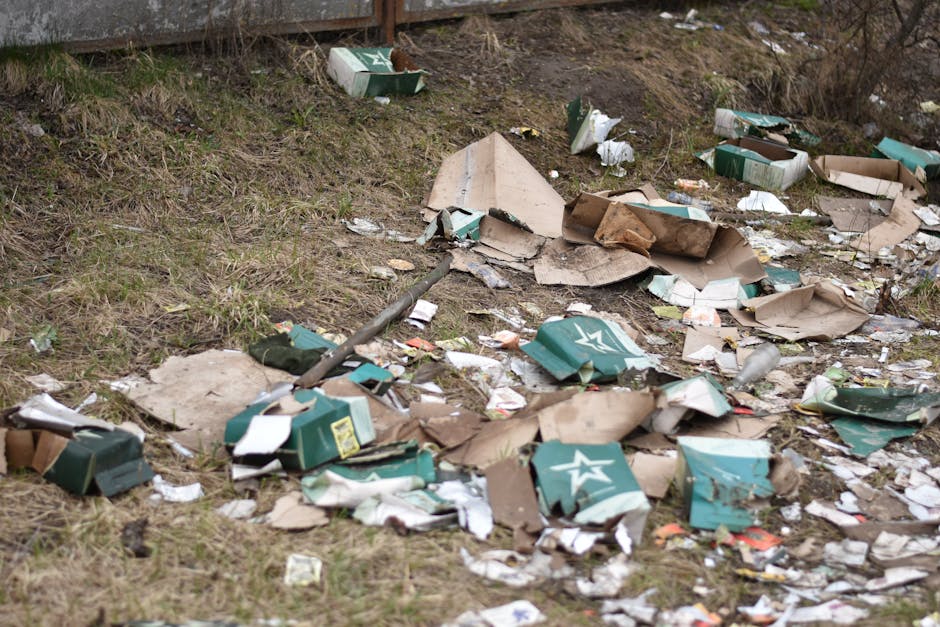
Flat clearance is not the same as clearing a house. In a block of flats, space is shared, access can be awkward, and rubbish has to move through common areas without upsetting neighbours or damaging walls, flooring, or lift doors. A pile of waste sitting in a hallway may look small in photos, but in a real estate block it can become a nuisance very quickly.
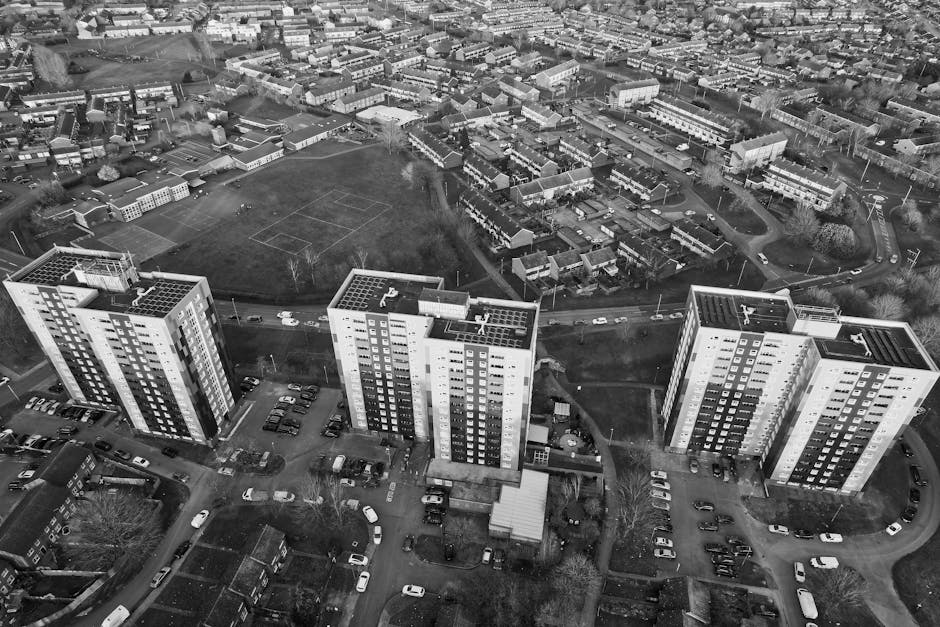
Cranford Estate TW5 has the sort of practical constraints that make planning important: limited parking, shared entrances, stairs or lifts, and neighbours who quite reasonably expect things to be done neatly. If you are dealing with unwanted furniture, mixed household waste, old appliances, or post-tenant clutter, a careful flat rubbish clearance approach keeps the process tidy and predictable.
It also matters because rubbish is often connected to something else: a move-out, a rental reset, a bereavement, a refurb, or a long-overdue declutter. In those moments, you do not want the clearance itself becoming the main source of stress. A good service should reduce friction, not add to it.
Practical takeaway: In flat-based clearances, the real challenge is usually access and coordination, not the waste itself.
That is why residents often pair a flat job with a more specific service such as furniture clearance or, where the property needs a broader emptying, home clearance. Choosing the right scope from the start saves time and avoids unnecessary call-backs.
How Cranford Estate TW5: Flats Rubbish Clearance Heston Works
A good flat clearance process should be straightforward. The basics are simple: identify what needs removing, confirm access, agree the type of waste, and schedule a collection that suits the building. The detail matters because flats often have more moving parts than people expect.
In practical terms, the process usually starts with an enquiry and a description of the items. If you can share rough volumes, photos, and access details, the service can estimate the right vehicle size, labour requirement, and timings. That is especially useful for awkward items like wardrobes, beds, fridges, broken desks, or stacked bags from a storeroom or balcony.
Then comes the collection day. The team should arrive with the right tools, protective equipment, and a plan for moving items safely through the building. If needed, they may dismantle larger pieces, separate reusable furniture from general rubbish, and load everything efficiently so the visit is as brief as possible.
Many flat clearances involve a mix of waste types rather than one neat pile. For example, a tenant move-out might produce:
- bagged household rubbish
- old sofas, mattresses, or tables
- broken small appliances
- loose clutter from cupboards or wardrobes
- cardboard, packaging, and unwanted miscellaneous items
Where the work extends beyond one flat, a wider house clearance style approach may be appropriate, especially if the property includes storage areas, loft access, or shared outbuildings. If you are unsure, it is usually better to describe the whole job honestly rather than understate it. That one habit alone prevents most surprises.
Key Benefits and Practical Advantages
The biggest benefit is obvious: you get your space back. But there are several less obvious advantages that matter just as much in real life.
1. Faster turnaround. A planned clearance can remove items in one visit rather than a series of trips to the tip or several weekends of effort. That matters if you are working to a move-out date or a landlord handover.
2. Less strain on residents. Heavy lifting, awkward corners, and stairs can be tiring and risky. A professional approach reduces the chance of injury or damage, which is a real concern in older blocks and tight communal areas.
3. Cleaner shared spaces. Flats are communal by nature. The quicker waste leaves circulation areas, the better for neighbours, managers, and anyone who has to walk past the pile. No one enjoys sharing a corridor with a dismantled wardrobe.
4. Better sorting and recycling. A responsible clearance service can separate reusable items, recyclable material, and general waste more effectively than a rushed do-it-yourself clear-out. That can support better disposal outcomes and reduce what ends up as residual waste.
5. A calmer handover. If you are ending a tenancy or preparing a property for cleaning or redecorating, clearing rubbish early makes every following task easier. Deep clean, repairs, repainting, inspection: all of them go better in an empty space.
For items that are still usable, it may also make sense to consider specialist support such as furniture disposal or a more selective clearance through furniture clearance if the main issue is bulky household pieces rather than general rubbish.
Who This Is For and When It Makes Sense
This kind of service suits a surprisingly wide range of people. In practice, it is not only for big clear-outs. Often, it is for the awkward little situations that do not justify hiring a van or spending a whole day hauling things yourself.
- Tenants who need to leave a flat tidy before moving out
- Landlords dealing with leftover items between occupancies
- Letting agents coordinating fast turnarounds for multiple properties
- Homeowners who have accumulated bulky waste over time
- Family members helping after a bereavement or a downsizing event
- Property managers who need common areas kept clear and presentable
It makes sense whenever waste becomes too much for ordinary bins, too bulky for a car boot, or too awkward to move safely through a flat. A good rule of thumb is this: if getting the rubbish out of the property is the difficult part, not just deciding to throw it away, then you are probably in flat-clearance territory.
Sometimes the job is more specialised. If the mess is mostly in a storage area or above the living space, loft clearance may be a more accurate fit. If the problem is a cluttered storage unit, plant area, or outside structure, a garage clearance can be the better match. Matching the service to the space is the easiest way to avoid overpaying or under-planning.
Step-by-Step Guidance
If you want the job to go smoothly, do not start with lifting. Start with sorting. The best flat clearances follow a simple order, and sticking to it saves time.
- Walk through the property and note every item that needs to go. Include hidden areas such as under beds, in cupboards, on balconies, and in storage boxes.
- Separate what stays from what goes. This sounds basic, but it is where many delays begin. A quick "keep pile" avoids accidental removals.
- Group similar items together. Put furniture in one area, bags of rubbish in another, and reusable items apart if they are to be donated or passed on.
- Check access carefully. Measure doorways if the building has narrow hallways. Make a note of lift use, parking limits, and any time restrictions on the estate.
- Ask for a clear quote. Good pricing usually depends on volume, weight, labour, and access. A photo-based estimate can be useful for straightforward jobs.
- Prepare the route. If possible, keep corridors clear, remove hazards, and protect floors or corners if there is a risk of scuffs.
- Confirm special items. Mattresses, fridges, heavy wardrobes, and mixed waste may need specific handling, so it is best to mention them before collection.
- Do a final sweep once items are removed. Check cupboards, behind doors, on shelves, and in meter cupboards before the team leaves.
If the job includes a wider property clean-out, many readers also look at home clearance services in Heston or flat clearance options because they give a better picture of how mixed domestic clearances are usually handled.
Expert Tips for Better Results
A few small choices make a large difference. The first is timing. If you can avoid peak traffic and busy building periods, the work tends to go more smoothly. Early access, clear parking arrangements, and a short route from flat to vehicle all help.
The second is categorisation. When rubbish is mixed with furniture, cardboard, and reusable household items, group them in advance. That helps the removal team work quickly and can improve the chance of recycling or reuse where appropriate.
The third is communication. If there is a lift booking process, a concierge, or a building manager who needs advance notice, share that early. A five-minute conversation can prevent a thirty-minute delay. To be fair, that is true for a lot of building-related tasks, not just clearance.
Other useful habits include:
- take quick photos before the job if the volume is hard to describe
- flag anything sharp, heavy, dusty, wet, or fragile
- keep valuables and personal papers separate
- check whether any items should be dismantled before collection
- ask what happens to reusable furniture or recyclable material
If sustainability matters to you, it is worth asking about recycling and sustainability practices. That is a sensible question, not an awkward one. Responsible clearance should be able to explain how material is sorted and what the service aims to divert from landfill where feasible.
Common Mistakes to Avoid
Most clearance problems are avoidable. The biggest mistake is underestimating volume. A flat that looks manageable often contains more than people realise once cupboards, drawers, and storage boxes are opened. What seemed like "a few bits" turns into a van load before lunch.
Another common issue is poor access planning. If a sofa will not fit through the corridor, or parking is restricted near the block, the job takes longer and may need a different approach. This is one reason good clearers ask questions before arriving.
Here are some mistakes worth avoiding:
- leaving sorting until collection day
- mixing keep items with waste
- forgetting to mention stairs, lifts, or parking rules
- assuming all rubbish can be handled the same way
- not checking whether furniture is reusable, repairable, or suitable for separate disposal
- failing to remove personal paperwork and sensitive items
It is also sensible not to focus only on price. A cheap quote that ignores access, labour, or waste type can become expensive once the real job begins. A fair quote is usually clearer, not just lower. If you want a structured quote process, review pricing and quotes before making a decision.
Tools, Resources and Recommendations
You do not need specialist kit for every flat clearance, but a few basic tools make the preparation easier and safer. If you are sorting the flat yourself before a collection, the following are genuinely useful:
- strong refuse sacks or rubble sacks for mixed rubbish
- gloves for handling dusty or rough items
- tape and labels for marking keep/donate/dispose piles
- a torch for cupboards, loft hatches, or darker storage corners
- a measuring tape for bulky furniture checks
- blankets or floor protection if items must be moved through tight spaces
From a planning point of view, the most helpful resources are often not tools but information. Photos, measurements, access notes, and a simple inventory all speed up the process more than almost anything else. If you are unsure where the job sits in the wider range of clearance services, pages such as house clearance and furniture clearance can help you compare scope and decide what best fits your situation.
For confidence and reassurance, it is also wise to look at company pages that explain operational standards. Useful examples include insurance and safety and the provider's health and safety policy. Those pages are not just formalities; they show whether the business takes risk management seriously.
Law, Compliance, Standards, or Best Practice
Flat rubbish clearance in the UK should always be handled with care, especially where mixed waste, electrical items, or shared-access buildings are involved. You do not need to become an expert in waste law to arrange a clearance, but you should expect the service provider to work responsibly and to dispose of waste through appropriate channels.
Good practice usually includes:
- safe handling of items to reduce the risk of injury or damage
- respect for communal areas, neighbours, and building rules
- careful separation of recyclable and non-recyclable material where possible
- clear communication about what is being removed
- appropriate treatment of confidential paperwork or sensitive items
If electronics, fridges, or other specialist waste are involved, mention them early. Certain items may need separate processing or can affect the way the job is priced and scheduled. Likewise, if the building has rules for contractors, lift use, or parking, those should be followed. That is not only courteous; it keeps the clearance efficient and avoids friction with management.
For readers who value transparency, company trust pages such as terms and conditions, payment and security, and about us can help clarify what to expect before booking. In a service like this, clarity is a feature, not a luxury.
Options, Methods, or Comparison Table
Not every clearance job needs the same solution. Sometimes you only need one bulky item taken away. Sometimes you need a full flat emptied. Here is a simple comparison to help you think it through.
| Option | Best for | Typical strengths | Possible drawbacks |
|---|---|---|---|
| Self-clearance | Very small loads, easy access, limited time pressure | Can seem cheaper upfront | Heavy lifting, transport hassle, multiple trips, disposal uncertainty |
| Bulky-item pickup | One or two large items such as a sofa, mattress, or wardrobe | Simple and quick | Less suitable for mixed clutter or large volumes |
| Flat clearance service | Mixed rubbish, furniture, and household clutter in one visit | Efficient, coordinated, less stressful | Needs more upfront detail for accurate planning |
| Full domestic clearance | Entire property, including storage areas and ancillary rooms | Best for bigger resets and handovers | Requires more preparation and clearer scope |
In many Cranford Estate situations, the best choice is a flat clearance service because it handles mixed loads more neatly than a one-off bulky-item collection. But if the job is mostly a sofa or a bed frame, a simpler furniture-focused option may be enough. The right answer depends on volume, access, and timing, not just what feels easiest in the moment.
Case Study or Real-World Example
Consider a typical flat in Cranford Estate TW5 after a tenant move-out. The flat has a bed base, two wardrobes, several bagged rubbish sacks, a coffee table, broken storage crates, and assorted items left in the kitchen. None of it is unusual. None of it is impossible. But together it is enough to make the place feel cluttered and unready.
Rather than treating the job as a series of separate problems, the cleaner approach is to group the items by type, confirm access to the building, and book a collection that can take the mixed load in one visit. The wardrobes may need dismantling, the bags can be stacked safely, and the small loose items can go with the general rubbish. If there is a reusable table or chair, it can be identified before collection.
The result is simple: the flat becomes ready for cleaning, inspection, or decorating much faster than if the items were handled piecemeal. The estate stays tidy, the common areas remain usable, and the handover is less likely to become a last-minute scramble. That is the real value of an organised clearance. It solves the logistical headache, not just the visible mess.
Practical Checklist
Use this checklist before booking or starting a clearance:
- Have you listed every item to be removed?
- Have you separated keep, donate, recycle, and dispose piles?
- Are any items especially heavy, sharp, dirty, or fragile?
- Have you checked stair, lift, and parking access?
- Do you need permission or notice for the building manager?
- Have you included photos if the volume is hard to estimate?
- Are there any electricals, mattresses, or awkward furniture pieces?
- Have you removed personal documents and valuables?
- Do you know whether you need flat clearance, furniture disposal, or a wider home clearance?
- Have you reviewed the quote details and collection terms?
One small but useful habit: do a final room-by-room walk before the team arrives. It saves the awkward moment of discovering a forgotten drawer full of cables after the van has already been loaded.
Conclusion
Cranford Estate TW5: flats rubbish clearance in Heston is really about making a complicated but ordinary job feel simple. The best results come from clear planning, honest descriptions, good access preparation, and a service that understands the realities of flat living: shared spaces, awkward items, and the need to be respectful of neighbours and buildings.
If you are facing a bulky-item pile, a mixed flat clear-out, or a move-out deadline, do not wait until the pressure builds. A well-planned clearance gives you back space, time, and a bit of breathing room. That may sound modest, but in a busy flat, it matters more than people think.
If you are comparing service options, reviewing trust pages, or getting ready to book, it is sensible to explore related pages on flat clearance, pricing and quotes, and contact us so you can move forward with confidence.
Get a free quote today and see how much you can save.
Frequently Asked Questions
What is flat rubbish clearance for Cranford Estate TW5 homes?
It is the removal of unwanted rubbish, bulky items, and mixed waste from a flat or apartment, usually with attention to shared access, lifts, and communal areas.
Is this different from a normal house clearance?
Yes. Flat clearances often involve tighter access, shared entrances, and more coordination with neighbours or building rules. House clearances usually have easier access and fewer shared-space concerns.
Can you remove furniture as well as general rubbish?
Yes, and that is common. Many flat jobs include sofas, beds, wardrobes, tables, and other bulky furniture alongside bagged waste.
What should I do before the clearance team arrives?
Separate items to keep, clear a route through the flat, mention access details, and remove personal belongings and sensitive paperwork.
How do I know whether I need flat clearance or furniture disposal?
If the job is mainly one or two large items, furniture disposal may be enough. If the flat contains mixed clutter, bags, and several item types, flat clearance is usually the better fit.
Do I need to be present during the clearance?
That depends on the arrangement. Some customers prefer to be there for the first walkthrough or final check, while others arrange access in advance. It is best to confirm this when booking.
What happens if there is limited parking or lift access?
That should be explained before collection. Good planning helps the team bring the right equipment and allow enough time for the job.
Can reusable items be separated from rubbish?
Often, yes. If items are in decent condition, they can sometimes be separated for reuse, donation, or a different disposal route, depending on the service and item type.
Is there a risk of damage to walls or communal areas?
There can be if bulky items are moved carelessly. That is why careful handling, protection where needed, and proper route planning matter in flat-based clearances.
How quickly can a flat clearance usually be arranged?
It depends on workload, access, and the size of the job. Smaller clearances are often easier to schedule, while larger or more complex jobs may need more notice.
Can I combine this with a wider home or loft clearance?
Yes. Many properties involve more than one area, so a combined approach can be more efficient if you have rubbish in the flat plus storage spaces or a loft.
What should I ask before I accept a quote?
Ask what is included, whether labour and access difficulties are covered, how mixed waste is handled, and whether there are any special charges for bulky or unusual items.
Where can I check service standards and trust information?
Useful pages include insurance and safety, health and safety policy, and recycling and sustainability, which help explain how a responsible provider operates.